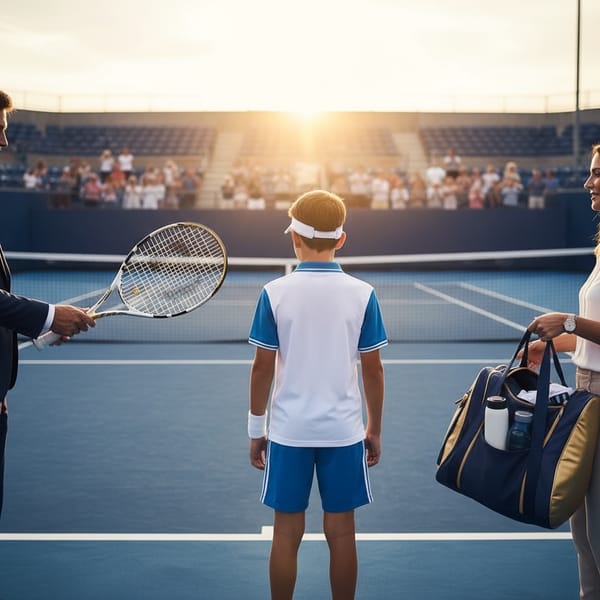
Playing junior tennis at a high level is expensive. Between coaching, travel, equipment, and tournament fees, costs add up quickly. Sponsorships can help offset these expenses while providing valuable resources and connections.
Here’s a practical guide to finding and securing junior tennis sponsorships.
Is Your Child Ready for a Sponsorship?
Before pursuing sponsorships, be realistic about where your child stands. Sponsors invest in players they believe will represent their brand well and achieve results. Most junior sponsorships go to players who:
- Compete at national or high-level regional tournaments
- Have a track record of strong results
- Show potential for continued improvement
- Present themselves professionally on and off the court
If your child is still developing at the local level, focus on improvement first. Sponsorships become more accessible as results and visibility grow.
Building a Sponsor-Worthy Profile
Sponsors want to see evidence that your child is worth investing in. Here’s how to build that profile.
Compete in Visible Tournaments
Local club tournaments won’t attract sponsor attention. Focus on USTA-sanctioned events, national qualifiers, and regional championships. The higher the level of competition, the more visible your child becomes to potential sponsors.
Document Results and Rankings
Keep a running record of tournament results, wins over ranked players, and ranking improvements. This data tells a clear story of progression and achievement.
Create Video Highlights
Short, well-edited highlight videos are powerful marketing tools. Record match footage and compile clips showing your child’s best shots, movement, and competitive spirit. These videos can be shared with sponsors, posted on social media, and included in sponsorship applications.
Build a Social Media Presence
Active social media profiles help sponsors see that your child can provide brand exposure. Post about tournaments, training, and tennis life. Engage authentically with the tennis community. Sponsors look at follower counts and engagement when evaluating potential partnerships.
Keep content positive and professional. Remember that sponsors are watching—anything posted online reflects on your child’s personal brand.
Types of Sponsors to Target
Equipment Manufacturers
Companies like Wilson, Babolat, Head, and Yonex sponsor junior players with free or discounted equipment. These partnerships typically require players to use their products exclusively and display logos prominently.
Tennis Academies
Some academies offer partial or full scholarships to promising juniors. These aren’t traditional sponsorships, but they significantly reduce training costs while providing top-level coaching.
Local Businesses
Don’t overlook local sponsors. Businesses in your community—sports stores, restaurants, medical practices—may support local athletes in exchange for recognition at tournaments and on social media.
Tennis Apparel Brands
Athletic wear companies like Nike, Adidas, and Lacoste sponsor juniors who fit their brand image. These deals often include clothing and footwear in exchange for wearing the brand during competition.
How to Approach Sponsors
Research Before Reaching Out
Before contacting any sponsor, understand what they’re looking for. Review their current sponsorship roster. Read their sponsorship guidelines if available. Tailor your approach to align with their brand values and athlete criteria.
Prepare a Sponsorship Proposal
Your proposal should include:
- Player bio: Name, age, location, and tennis background
- Results summary: Key tournament wins, rankings, notable victories
- Goals: Short-term and long-term tennis objectives
- What you’re asking for: Be specific about what kind of support you need
- What you offer: How you’ll represent and promote the brand
- Video highlights and photos: Visual evidence of ability
Keep it concise and professional. Sponsors receive many requests—make yours easy to read and compelling.
Follow Up Respectfully
After sending your proposal, follow up after one to two weeks if you haven’t heard back. A brief, polite email expressing continued interest is appropriate. Don’t become a nuisance—if there’s no response after a couple of follow-ups, move on.
Network at Tournaments
Face-to-face connections matter. Introduce yourself to brand representatives at tournaments. Be friendly and professional. Even if immediate sponsorship isn’t available, you’re building relationships that may pay off later.
Accept That Rejection is Normal
Most sponsorship requests get rejected. Don’t take it personally. Keep improving, keep building your profile, and keep trying. A “no” today might become a “yes” after another strong tournament season.
If You Secure a Sponsorship
Getting the sponsorship is just the beginning. Maintaining the relationship requires ongoing effort.
Deliver on Your Commitments
If you agreed to wear logos, post on social media, or attend events, follow through. Sponsors track whether athletes meet their obligations. Reliability builds trust and leads to continued support.
Communicate Regularly
Keep your sponsor updated on your progress. Share results, upcoming tournaments, and any significant developments. Proactive communication shows you value the partnership.
Promote Your Sponsor Authentically
Don’t just slap a logo on your bag and call it a day. Genuinely represent the brand. Tag them in social media posts, thank them publicly, and speak positively about their products. Sponsors notice and appreciate authentic promotion.
Express Gratitude
A simple thank-you goes a long way. Send notes after receiving equipment. Acknowledge their support in interviews. Show that you don’t take the sponsorship for granted.
Making the Most of Sponsorship Benefits
Sponsorships provide more than just free gear. Here’s how to maximize the relationship.
Use Provided Resources
If your sponsor offers coaching connections, training resources, or event invitations, take advantage of them. These opportunities are part of the sponsorship value.
Network Through Your Sponsor
Being associated with a recognized brand opens doors. You may get access to events, meet other sponsored athletes, and connect with coaches and scouts through your sponsor’s network.
Build for the Future
Today’s junior sponsorship can lead to bigger opportunities later. Perform well, maintain professionalism, and sponsors may increase their investment as you develop. Many professional players have long-standing relationships with sponsors that began in their junior years.
When Sponsorships Don’t Work Out
Not every sponsorship lasts. If a partnership ends:
- Leave on good terms whenever possible
- Return any equipment as required by your agreement
- Thank the sponsor for their support
- Move on professionally without public complaints
The tennis world is small. How you handle endings affects future opportunities.
Conclusion
Securing a junior tennis sponsorship takes results, preparation, and persistence. Build a strong profile through tournament performance and visibility. Research sponsors and approach them professionally. If you secure a partnership, deliver on your commitments and nurture the relationship.
Remember that sponsorship is a two-way relationship. Sponsors provide support; athletes provide representation and brand exposure. Approach it as a professional partnership, and you’ll be positioned for success—both in gaining sponsorships and in making them last.